Metabolic Brain

Perfusion Software

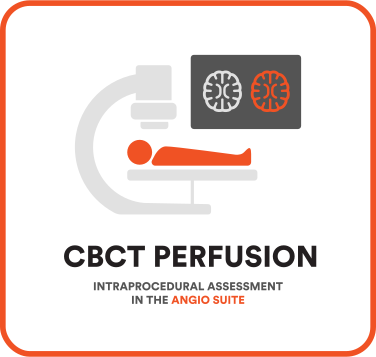
Cone-Beam CT Perfusion

Bringing Advanced Perfusion Imaging Into the Angio Suite.

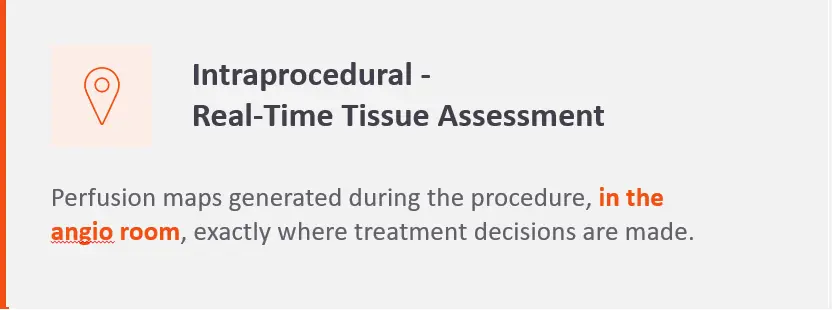
Intraprocedural - Real-Time Tissue Assessment
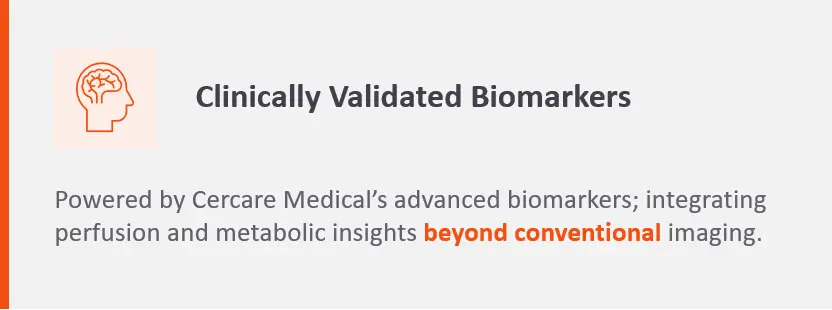
Clinically Validated Biomarkers
Zero Click Workflow

Cone-Beam CT Perfusion

Real-Time Perfusion and Oxygen-Metabolism Imaging in the Angio Suite.

Cercare Medical’s Cone-Beam CT Solution is FDA Cleared and CE Marked.

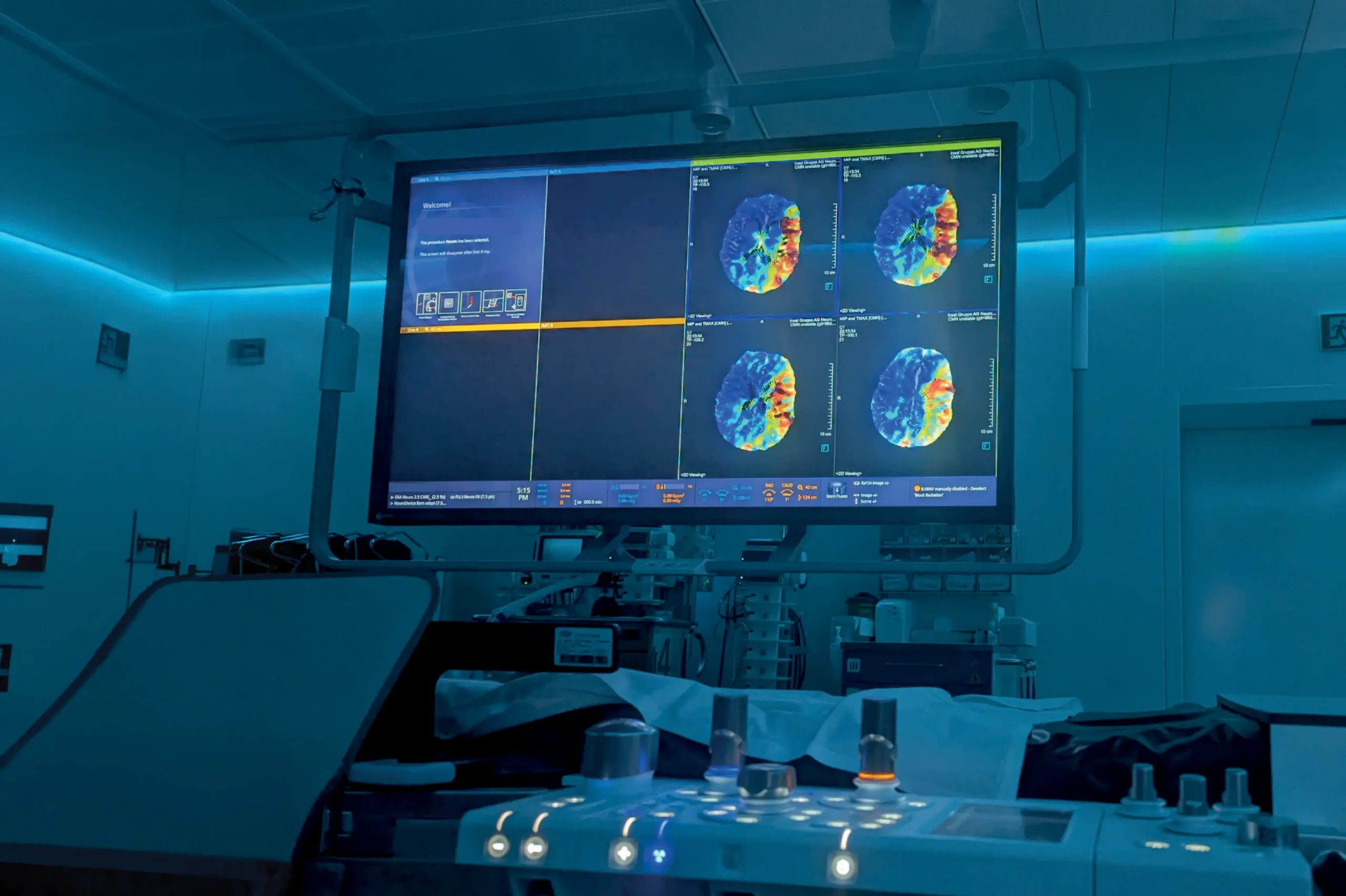
Cone-Beam CT (CBCT) Perfusion brings CT-quality perfusion imaging - along with Cercare Medical’s unique oxygen-metabolism biomarkers - directly into the angio suite using the standard C-arm systems already in place. For the first time, interventional teams can assess tissue health and viability in real time, at the point of treatment.

By eliminating the need to transfer patients to a conventional CT scanner, CBCT Perfusion enables advanced intraprocedural tissue assessment without disrupting the intervention workflow. Perfusion maps and biomarker insights are generated automatically within minutes, providing clinicians with immediate information on ischemic severity, tissue viability, and treatment response. This enables more informed decision-making throughout the procedure and supports a truly angio-first approach to stroke care.
>>> Today's Workflow, The Gap, and CBCT Perfusion >>> Technical Overview >>> Use Cases

A NEW ERA FOR STROKE TREATMENT

Acute Stroke Imaging in the Angio Suite
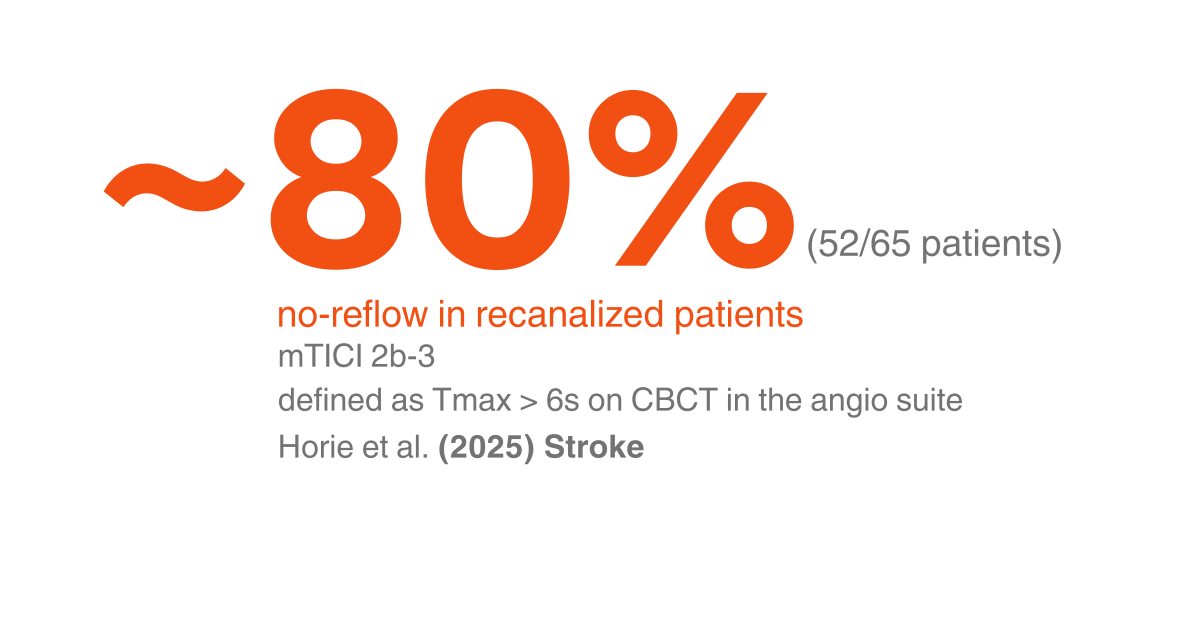
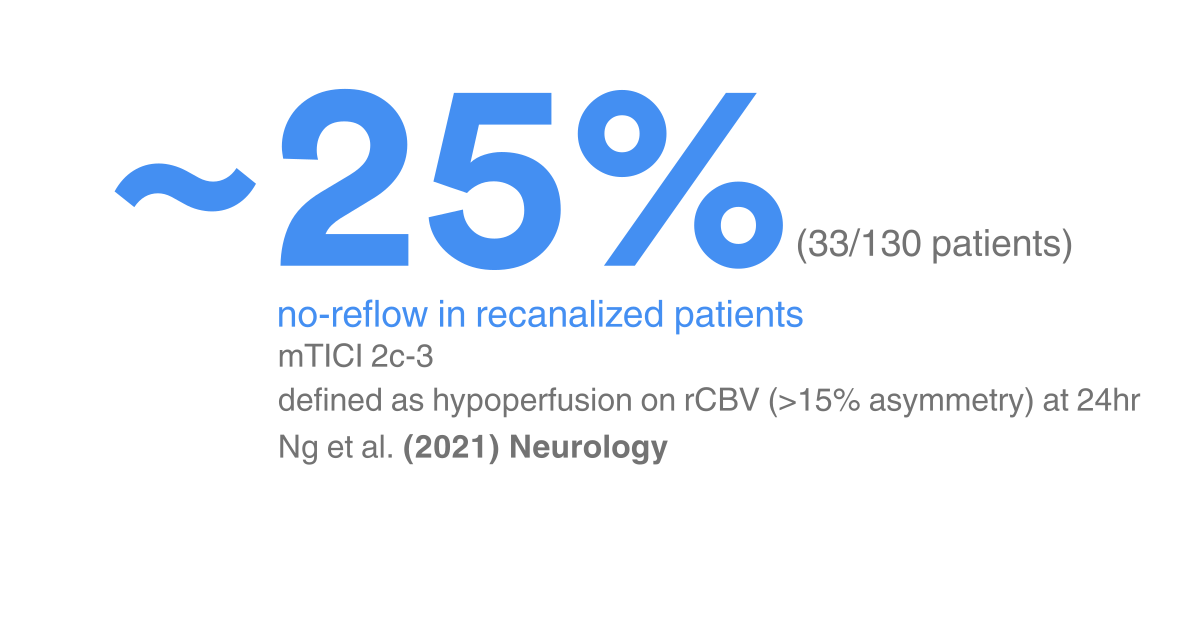
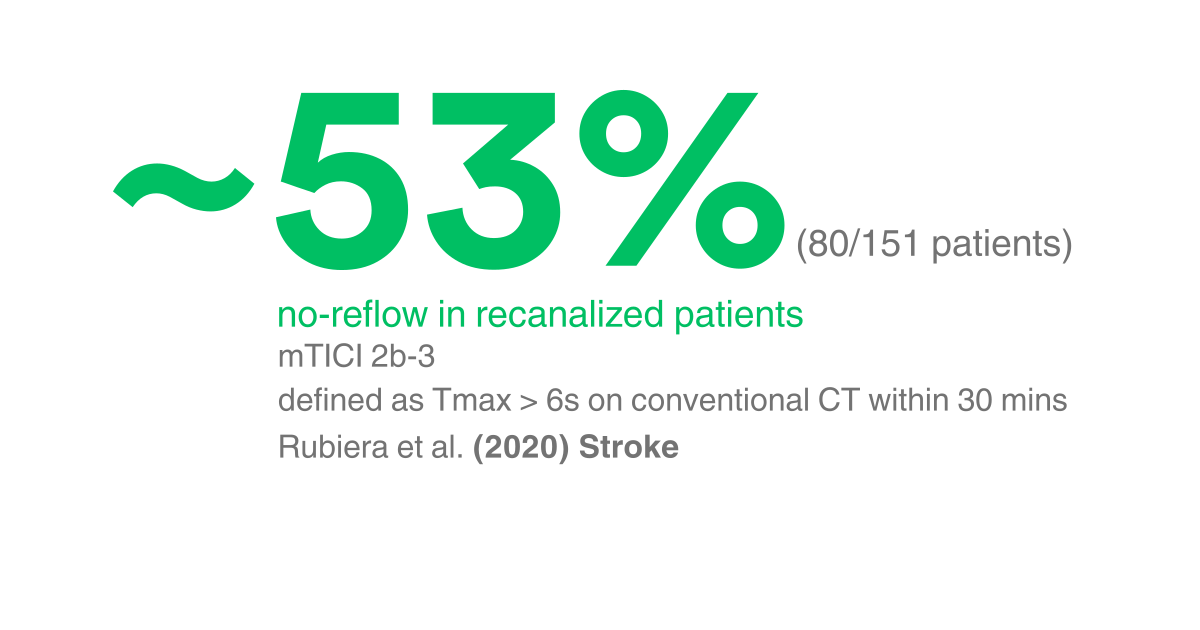
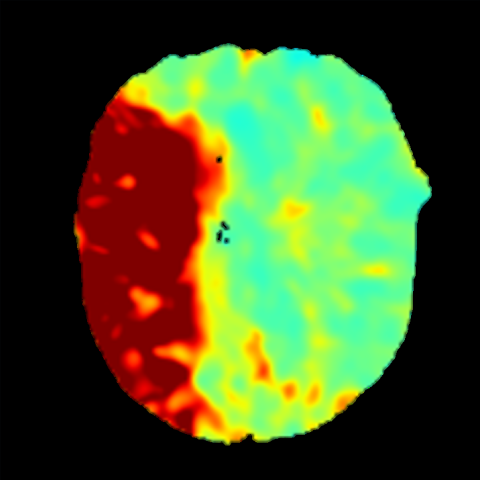
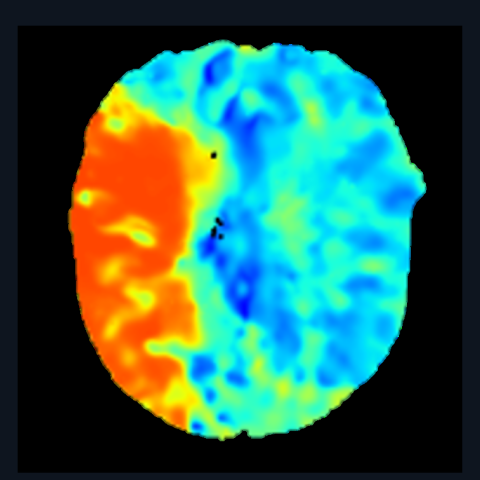
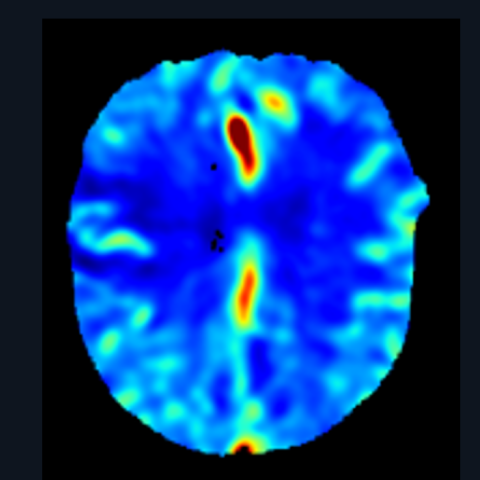
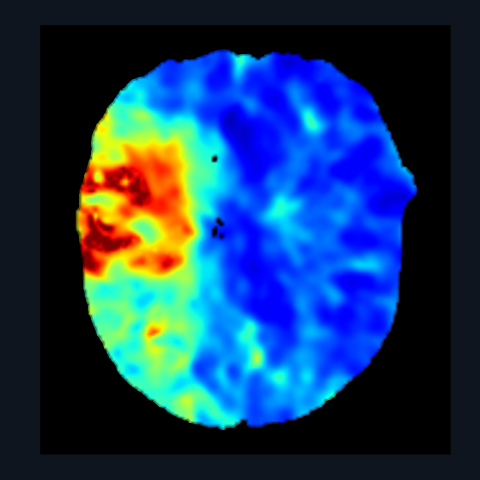
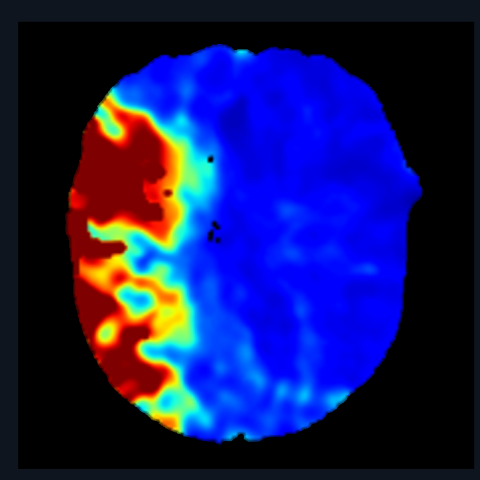
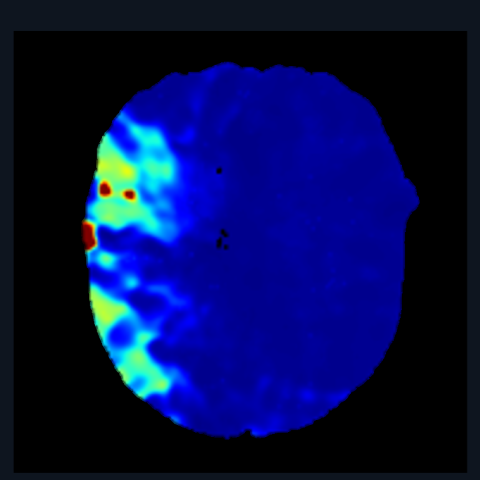
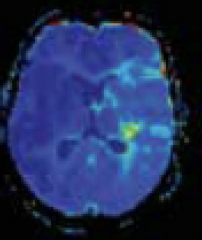
1 in 3 patients show no-reflow despite high mTICI scores after thrombectomy. DSA confirms the vessel is open; it cannot confirm capillary-level reperfusion. Cercare CBCT Perfusion generates CT-quality perfusion maps — rCBF, rCBV, MTT, Tmax, plus CTH, OEF and CMRO₂ — from your existing C-arm. No patient transfer. Real-time tissue assessment while the team is still in the room.

Thrombectomy has transformed acute stroke care. Yet, in some patients, microvascular obstruction - known as the no-reflow phenomenon - prevents full reperfusion, limiting recovery despite technically successful procedures. Detecting this phenomenon can provide crucial insights into treatment outcomes. The missing link is the ability to see beyond the vessel - to assess tissue health and viability in real time.
Beyond Traditional Perfusion Imaging
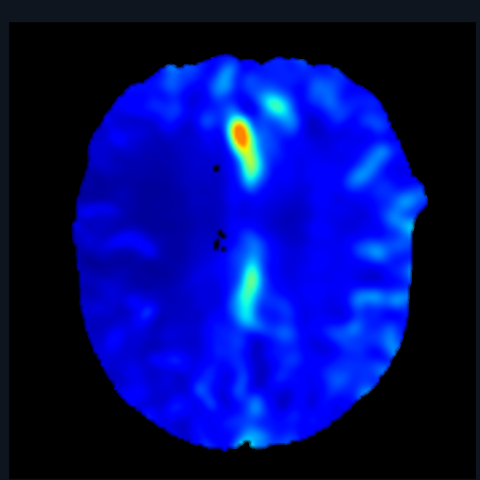
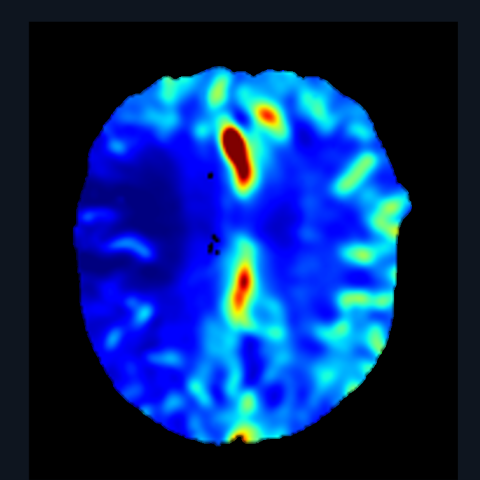
In addition to conventional biomarkers of blood flow and volume, Cercare Medical provides unique insights into tissue metabolism through oxygen-based biomarkers. By combining CTH, OEF, and CMRO₂, we map oxygen availability alongside perfusion, enabling deep understanding of microvascular conditions and supporting more precise clinical interpretation.
This foundation now powers a new breakthrough: 
Cone-Beam CT Perfusion

The Need - Every Minute Counts

Clinical Use Cases

Why is Perfusion Important in the Angio Suite?

Potentially translates into faster therapy and a lower risk of distal occlusions remaining undiagnosed, thereby ensuring timely administration of adjuvant therapies and improving overall recovery prospects
  • Assess Outcomes Post-Intervention: Detect Missed Stenoses, Distal Occlusions, or Microvascular Disturbances
  • May Detect the No-Reflow Phenomenon—Providing Insight Into Cases Where Recovery May Fail Despite Successful Thrombectomy
  • Guide Current and Future Complementary Therapies on the Spot Based on Perfusion Status
  • Potentially Enable Future Direct-to-Angio Workflows
Directly impacts the patient treatment pathway, both intra- and post-intervention
Today’s Workflow
Perfusion Lives Outside the Angio Suite

The current stroke patient pathway still reflects a pre-thrombectomy era:

  • Stabilisation and initial imaging in the emergency department
  • CT or MRI perfusion performed away from the angio suite
  • Transfer to angiography for thrombectomy

Once in the suite, teams rely on anatomical imaging alone — any re-assessment means another scan, another transfer, more time lost.


Delays of Up to 30–60 Minutes
Limited Visibility into Microvascular Conditions


Even After Thrombectomy:
  • Distal Occlusions May Be Missed
  • Microvascular Dysfunction Remains Undetected
  • Reperfusion May Be Incomplete
The Gap
You Can Only Treat What You Can See*
Angiographic success does not always equal tissue-level reperfusion. 

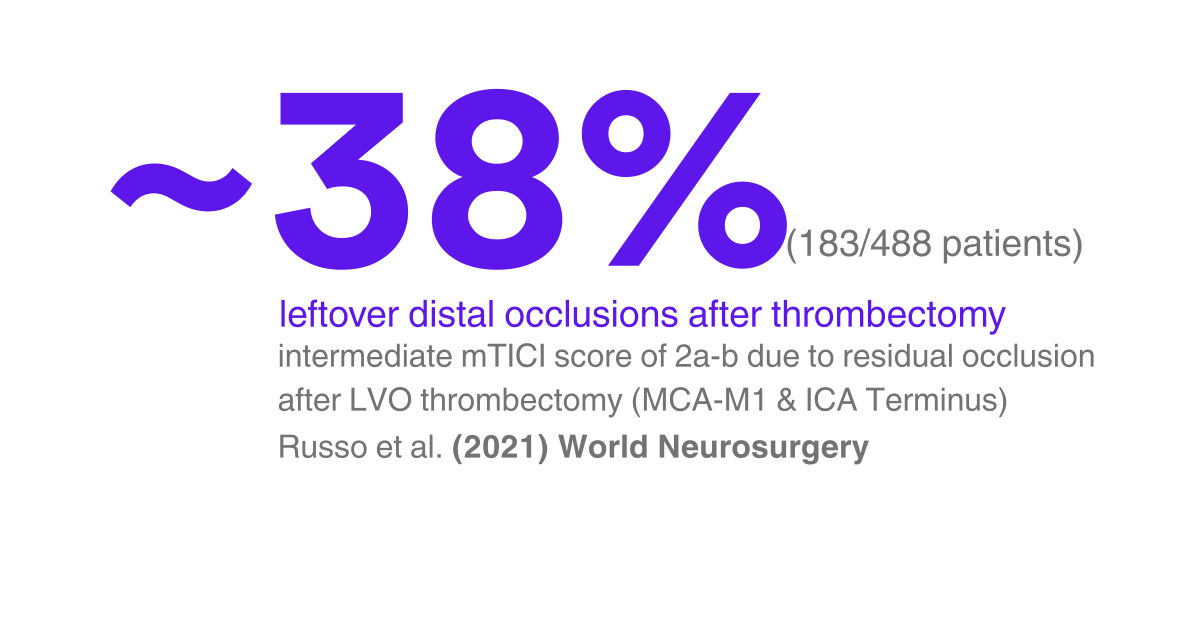
Without perfusion data inside the suite, clinicians cannot reliably detect no-reflow, residual occlusions, or microvascular disturbances — the factors that determine whether a successful procedure becomes a successful outcome.

You can only treat what you can see. CBCT perfusion delivers crucial insights when standard imaging is not immediately available — right in the angio suite!*”

Prof. Johannes Kaesmacher
Inselspital, Bern University Hospital,
Switzerland
CBCT Perfusion
Oxygen-Metabolism Biomarkers in the Angio Suite
Software that transforms standard CBCT acquisitions into quantitative perfusion maps - including Cercare’s signature oxygen metabolism biomarkers - and delivers them directly onto the angio-suite monitors.
• Reliable Results with Just 10 Acquisitions
• Immediate Visualization During Intervention
Full Set of Traditional Biomarkers: Including CBF, CBV, MTT
Unique Metabolic Biomarkers: Including CTH, OEF, CMRO₂
Clinical Workflow
Contrast Injection
CBCT Acquisition
Automated Generation 
of Perpusion Maps
Direct Display on Angio Suite Monitors for Immediate Presentation

Technical Overview

Cercare CBCT Perfusion is a dedicated post-processing application within the Cercare Medical Neurosuite, designed for the angio-suite environment.

It ingests time-resolved cone-beam CT acquisitions from compatible C-arm systems and generates a comprehensive set of quantitative perfusion parameters using validated tracer-kinetic models — including Cercare’s unique oxygen metabolism biomarkers.
Specification
Detail
Modality Input
Time-resolved cone-beam CT perfusion acquisitions from compatible C-arm systems, in standard DICOM format. Reliable results with as few as 10 CBCT acquisitions.
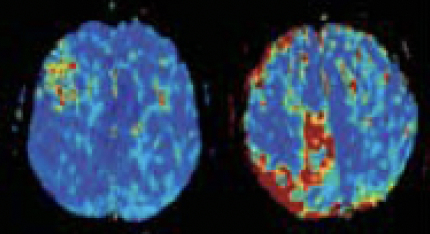
Image Processing
Automated motion correction, vessel and tissue segmentation, arterial input function selection, and tracer-kinetic deconvolution within the Cercare Medical Neurosuite (CMN) perfusion engine.
Standard Perfusion Maps
Cerebral Blood Flow (CBF), Cerebral Blood Volume (CBV), Mean Transit Time (MTT).
Oxygen Metabolism Imaging
Capillary Transit-time Heterogeneity (CTH), Oxygen Extraction Fraction (OEF), and Cerebral Metabolic Rate of Oxygen (CMRO₂) — Cercare’s signature biomarkers for characterising microvascular status and tissue viability beyond conventional perfusion.
C-arm Compatibility
Full integration with Siemens and Philips systems. GE and Canon integrations under evaluation.
Outputs
Quantitative parametric maps displayed directly on angio-suite monitors for immediate interpretation, with DICOM secondary capture for archival on PACS.
Regulatory Status
Cercare Medical’s Cone-Beam CT Solution is CE-marked under the European Medical Device Regulation (EU 2017/745) and FDA cleared under 510(k) K253831.


>>> Download Cone-Beam CT Perfusion Brochure >>> Request a Demo Now
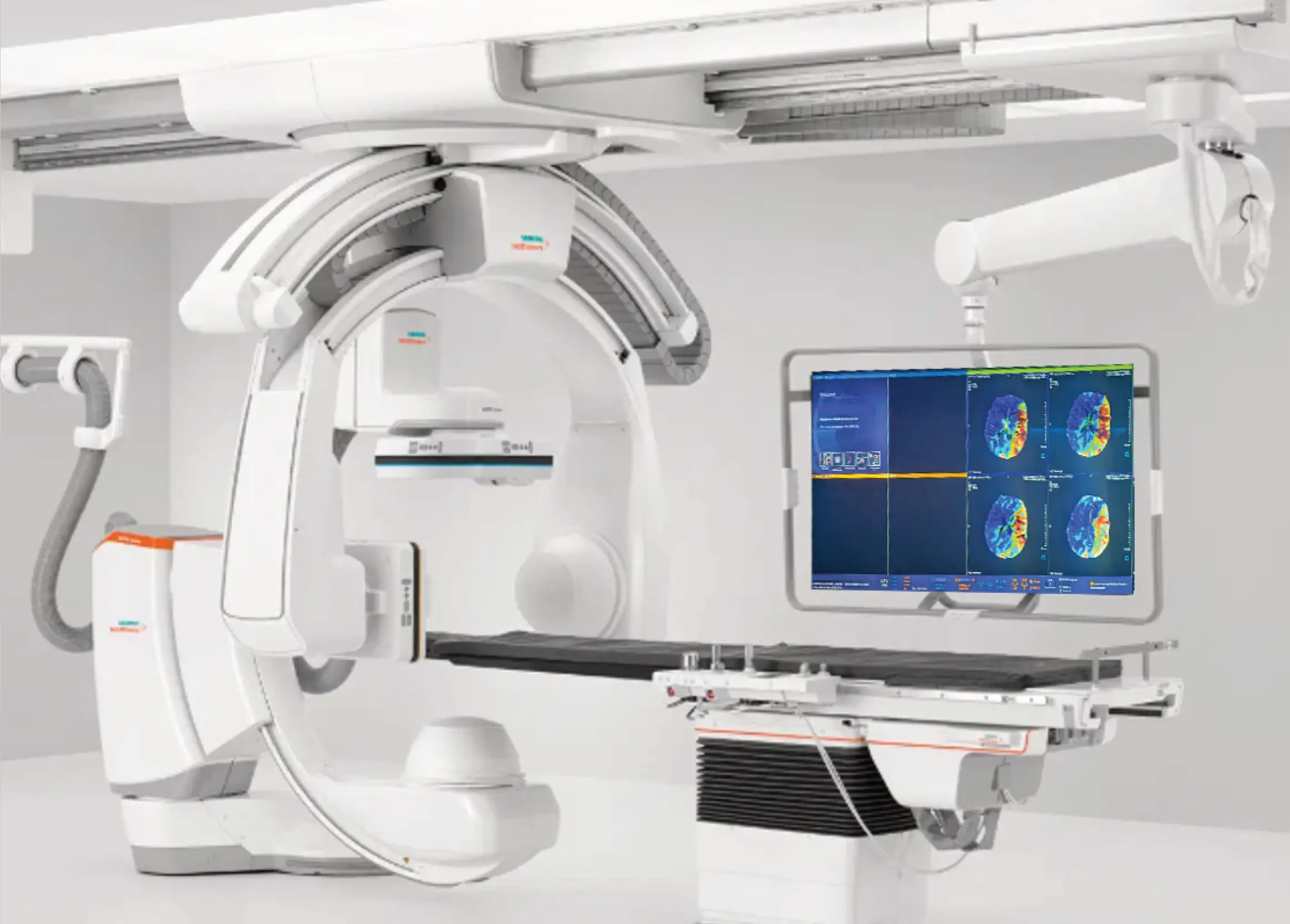
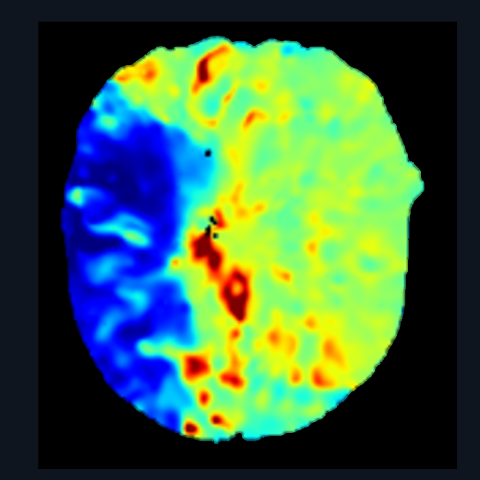
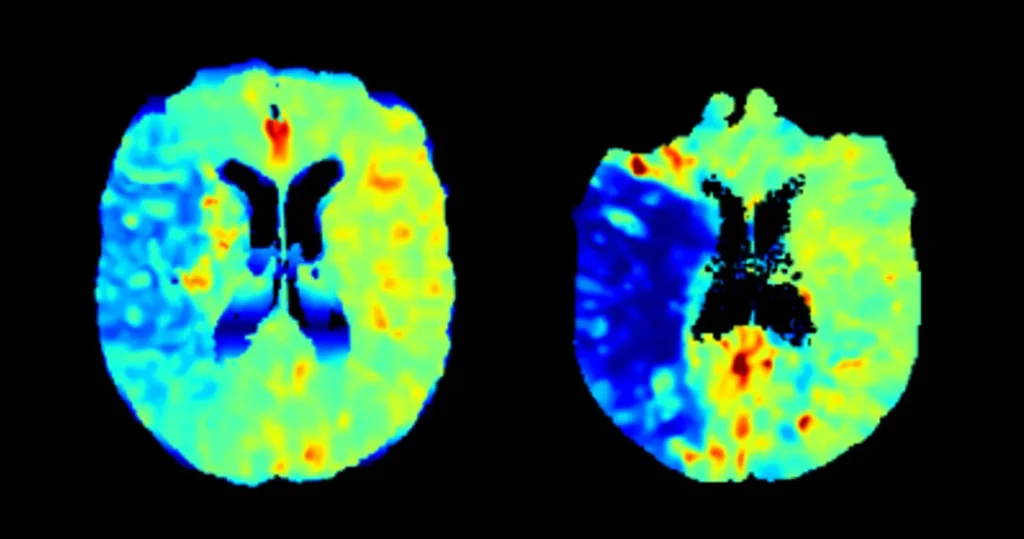
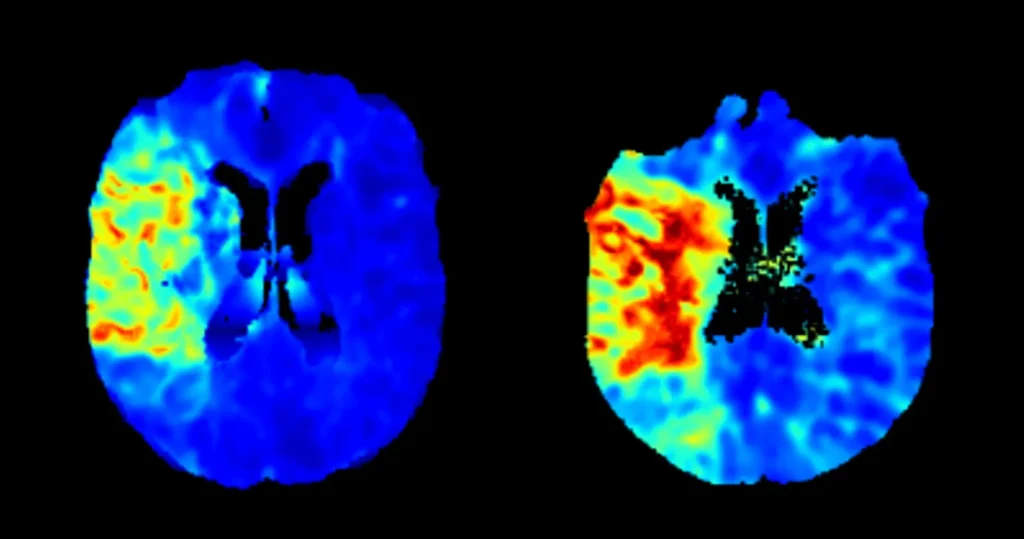
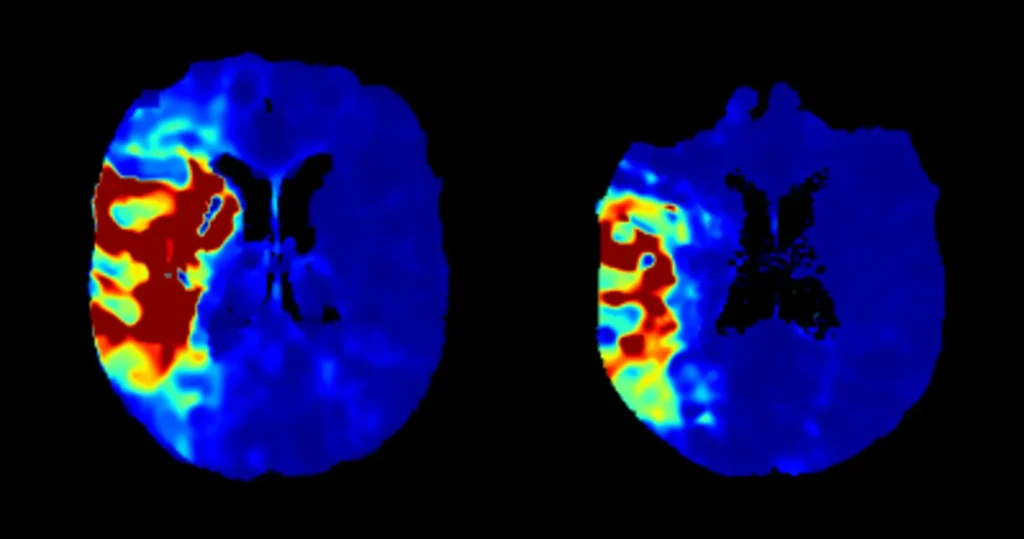
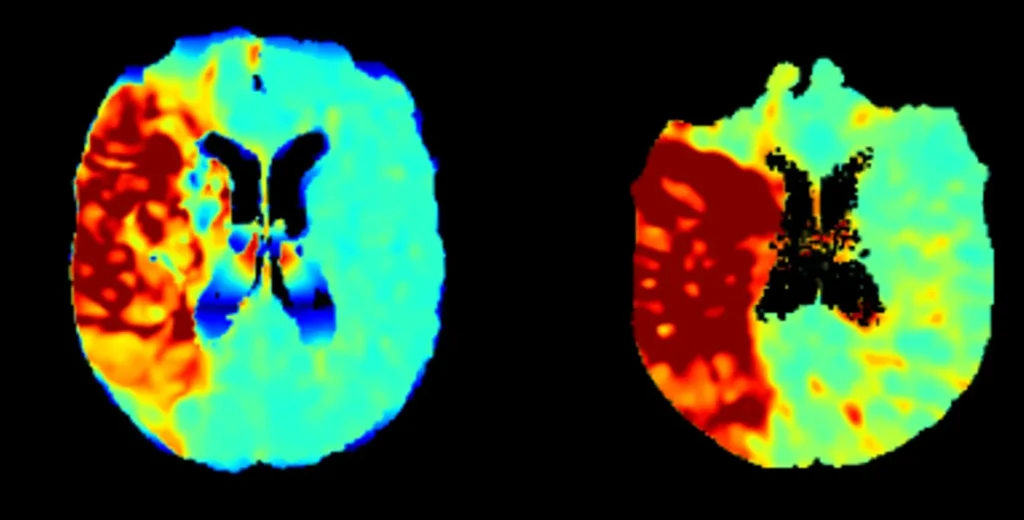
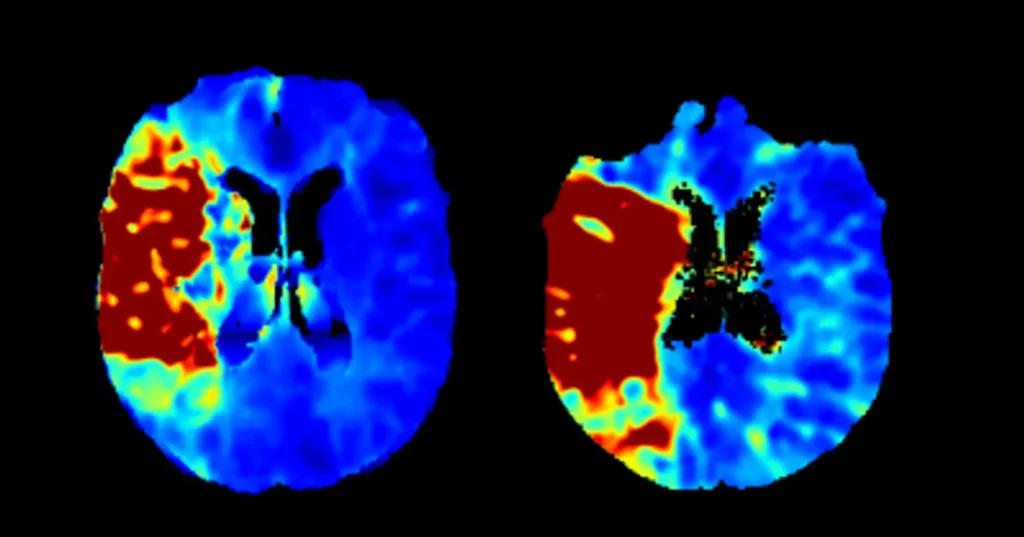
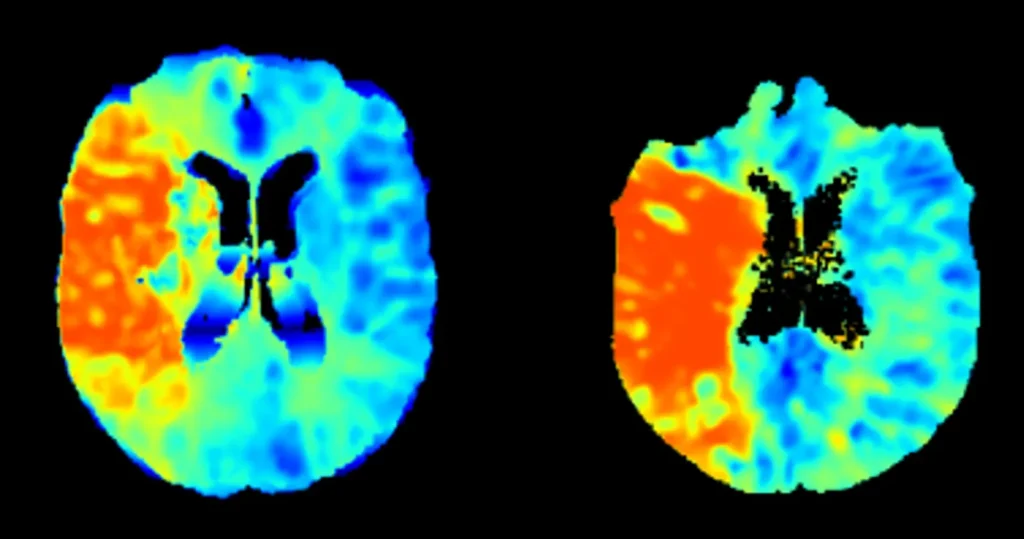
Advanced Cone Beam CT Perfusion imaging on the Siemens Healthineers syngo DynaCT Multiphase system, powered by Cercare Medical biomarkers.

Biomarkers

Standard conventional maps with optional add-on access to proprietary Cercare Medical biomarkers.

>>> Our Solution: Combining Vascular Model Technology with AI

Conventional

MTT (Mean Transit Time)
Mean transit time of the passage of blood through a voxel.
CBV (Cerebral Blood Volume) 
The total volume of blood within a given unit of brain tissue.
CBF (Cerebral Blood Flow)
The volume of blood flowing through a unit of brain tissue per unit time.
Tmax
The timepoint at which the residue function attains its maximum value.

Advanced

OEF (Oxygen Extraction Fraction) 
Maximum possible extraction of a given voxel, depends on the transit times distribution.
CTH (Capillary Transit Time Heterogeneity)
The standard deviation of the transit times.
Lower values correspond to homogenous TT and hence healthy capillary and micro-vascularity function.
CMRO₂ (Cerebral Metabolic Rate of Oxygen) 
Obtained from the transit time distribution, through the derivative of the residue function.
Delay
Delay from site of measurement of the arterial input function concentration time-curve and site of measurement of the tissue  concentration-time curve.
Courtesy of: Prof. Dr. Johannes Kaesmacher, Bern University, Switzerland

Our Solution: Combining Vascular Model Technology with AI

  • Conventional Perfusion Maps
    MTT, CBV, CBF, Tmax

  • Advanced Perfusion Maps
    OEF, CMRO₂, CTH, COV, and Leakage

  • AI-Powered Analysis
    Automated detection of ICH and large vessel occlusions (MeVO/LVO)

  • Faster Assessment
    Shorter scan durations while maintaining lesion visibility

  • Disease Agnostic
    Oncology, stroke, and vascular diseases

  • Multi-Modal
    CT + MRI compatible, vendor neutral, automated post-processing

Comparing

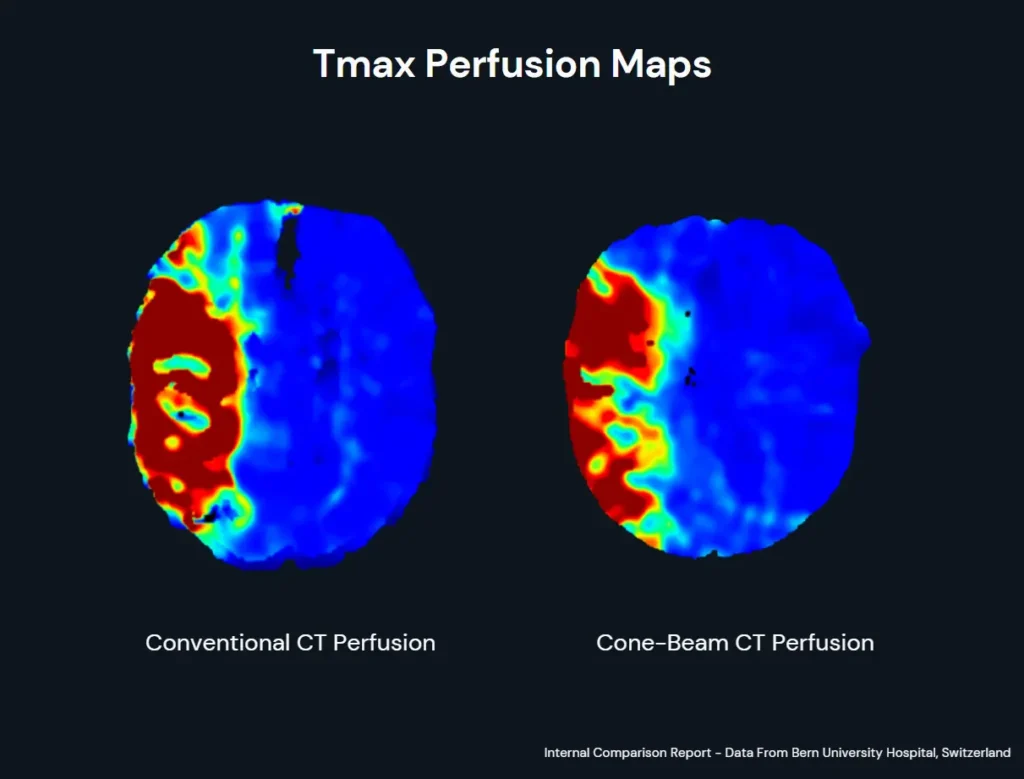
Conventional CT and Cone-Beam CT

Conventional CT
  • Much faster rotation than Cone-Beam CT
  • Faster frame rates than CBCT Perfusion
  • ~1.5s between frames
  • Less artefacts than CBCT
Cone-Beam CT Perfusion
  • Designed for fluoroscopy
  • Some models can do computed tomography if the c-arm can rotate around the patient
  • Special reconstruction software is used to create slices or volumes (eg Siemens DynaCT)
  • Does not rotate as fast as CT
  • ~5s between frames
  • More image artefacts
Courtesy of: Prof. Dr. Johannes Kaesmacher, Bern University, Switzerland

Cone-Beam CT Perfusion

Bringing Advanced Perfusion Imaging into the Angio Suite

CERCARE
CONE-BEAM CT PERFUSION

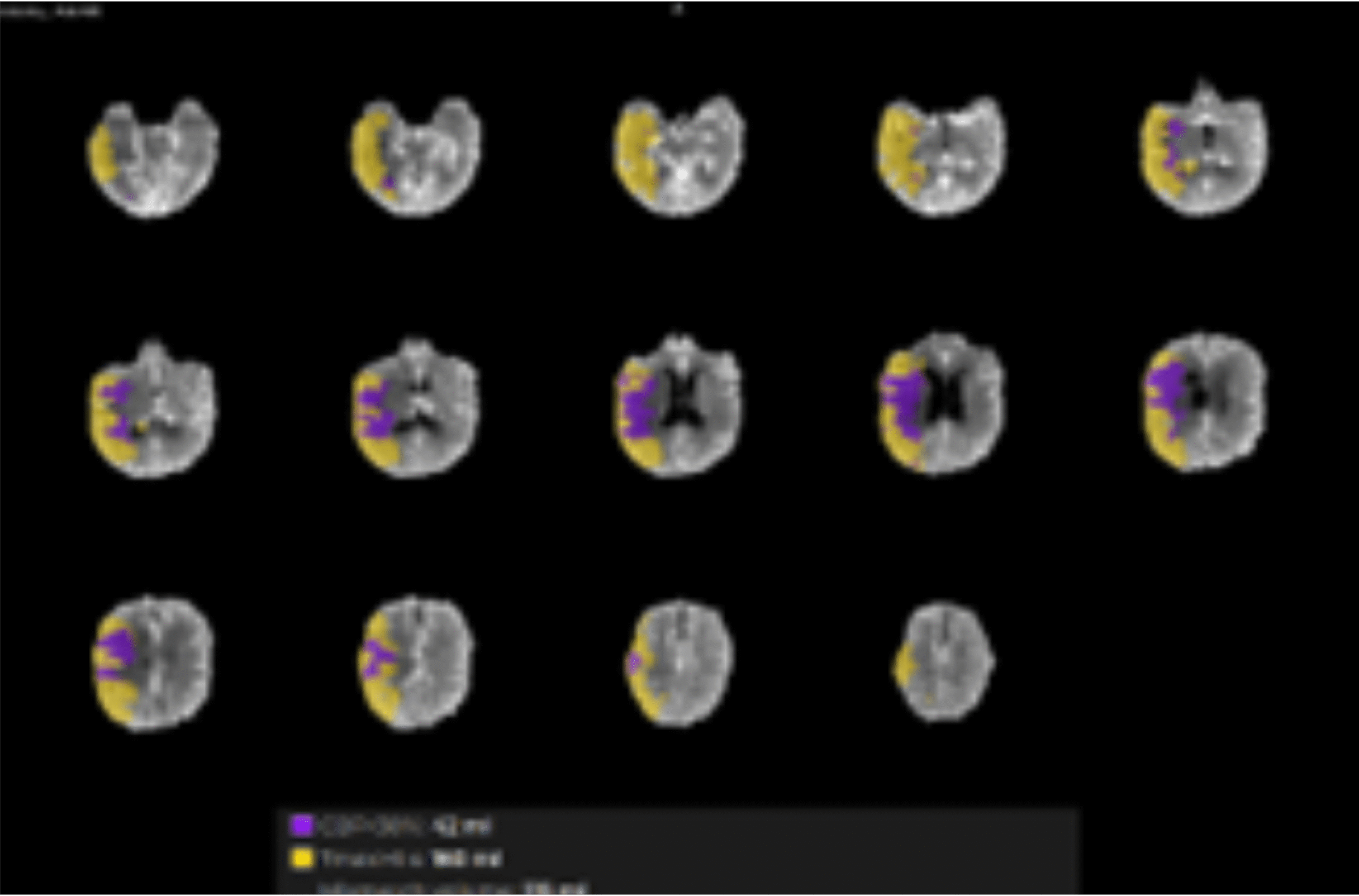
Complete decision-support stroke solution with fully automated computation of CT perfusion maps and automated delineation of infarct core and hypoperfused volumes, using either threshold methods or Cercare Medical’s unique AI algorithm.

CBCT Perfusion brings CT-quality perfusion directly to the angio suite using standard C-arm systems.
CE
FDA
CLEARED
SVD-BASED PERFUSION MAPS
CBF, CBV, MTT, Tmax, MaxIP, TTP
VASCULAR MODEL-BASED PERFUSION MAPS
CBF, CBV, MTT, Delay, CTH, COV, OEF, CMRO2, LOI
THRESHOLD-BASED LESION QUANTIFICATION
Tmax and CBF thresholds and mismatch
ADVANCED THRESHOLD-BASED LESION QUANTIFICATION
Delay and CMRO2 thresholds and mismatch

Request A Demo

Complete the form below, and a Cercare Medical representative will contact you to schedule your personalized demo.

Resources

Ready to Transform Your Diagnostic Capabilities?

Join Us in Advancing Brain Health with Cutting-Edge Microvascular Modeling.
Contact Us Today to Learn More!
© 2026 Cercare Medical. All rights reserved.

CLINICAL USE CASES AND TECHNICAL HIGHLIGHTS


CLINICAL USE CASES
  • Directly impacts the patient treatment pathway, both intra- and post-intervention.
  • Assess outcomes post-intervention: detect missed stenoses, distal occlusions, or microvascular disturbances.
  • Guide complementary therapies on the spot based on perfusion status.
  • May detect the no-reflow phenomenon — providing insight into cases where recovery may fail despite successful thrombectomy.
  • Potentially enables direct-to-angio workflows.

TECHNICAL HIGHLIGHTS
  • Full set of perfusion markers: CBF, CBV, MTT.
  • Advanced oxygen metabolism imaging: OEF, CMRO₂.
  • Most reliable results with 10 CBCT acquisitions.
  • Vendor-agnostic platform.

CBCT Imaging

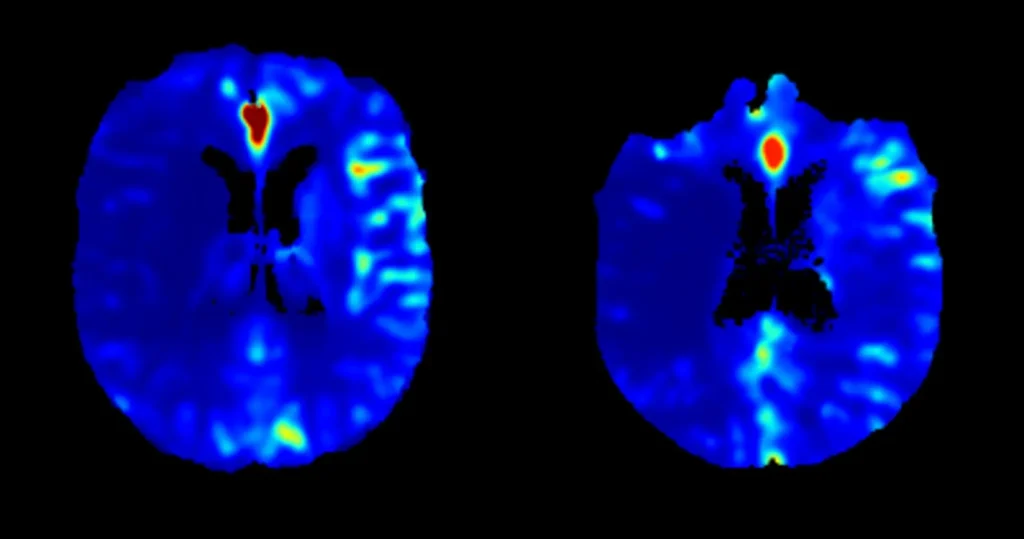
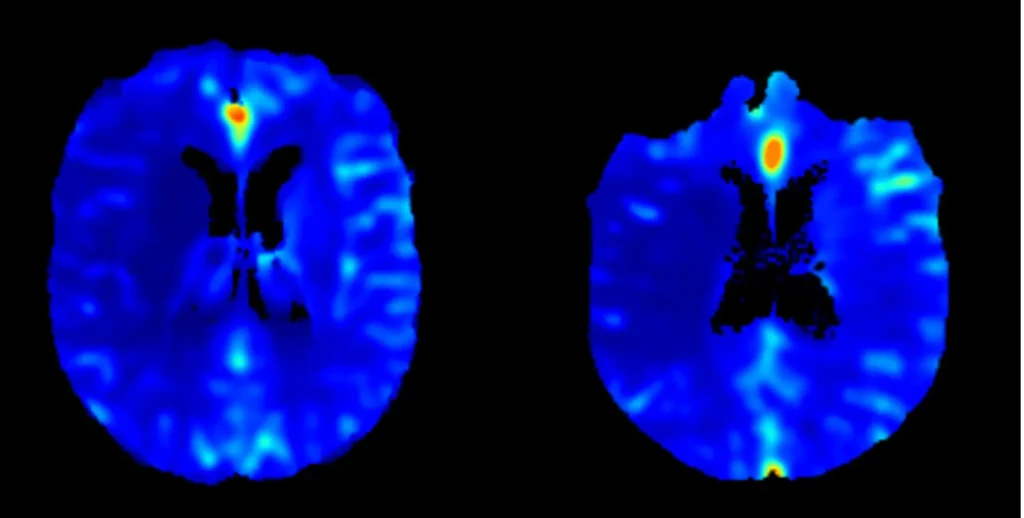
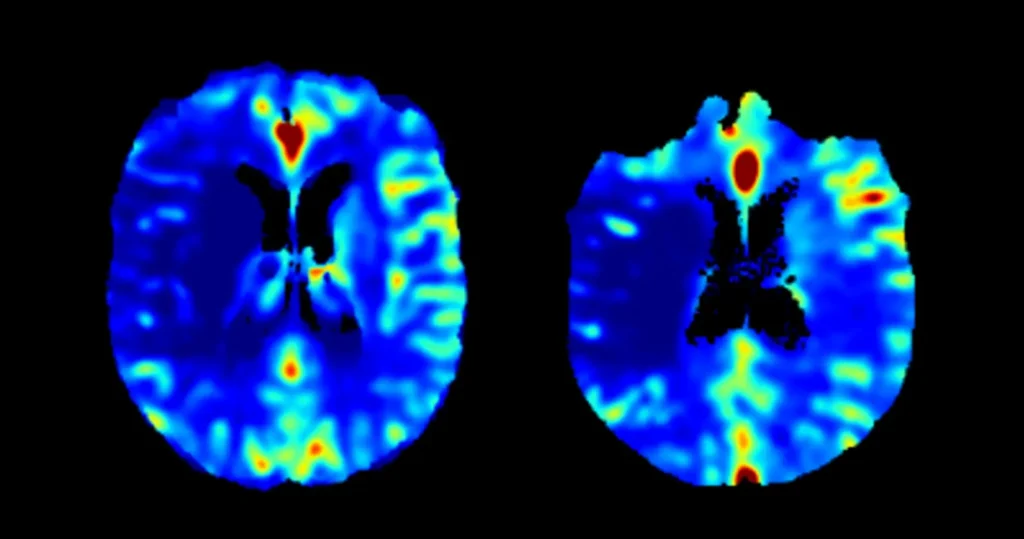
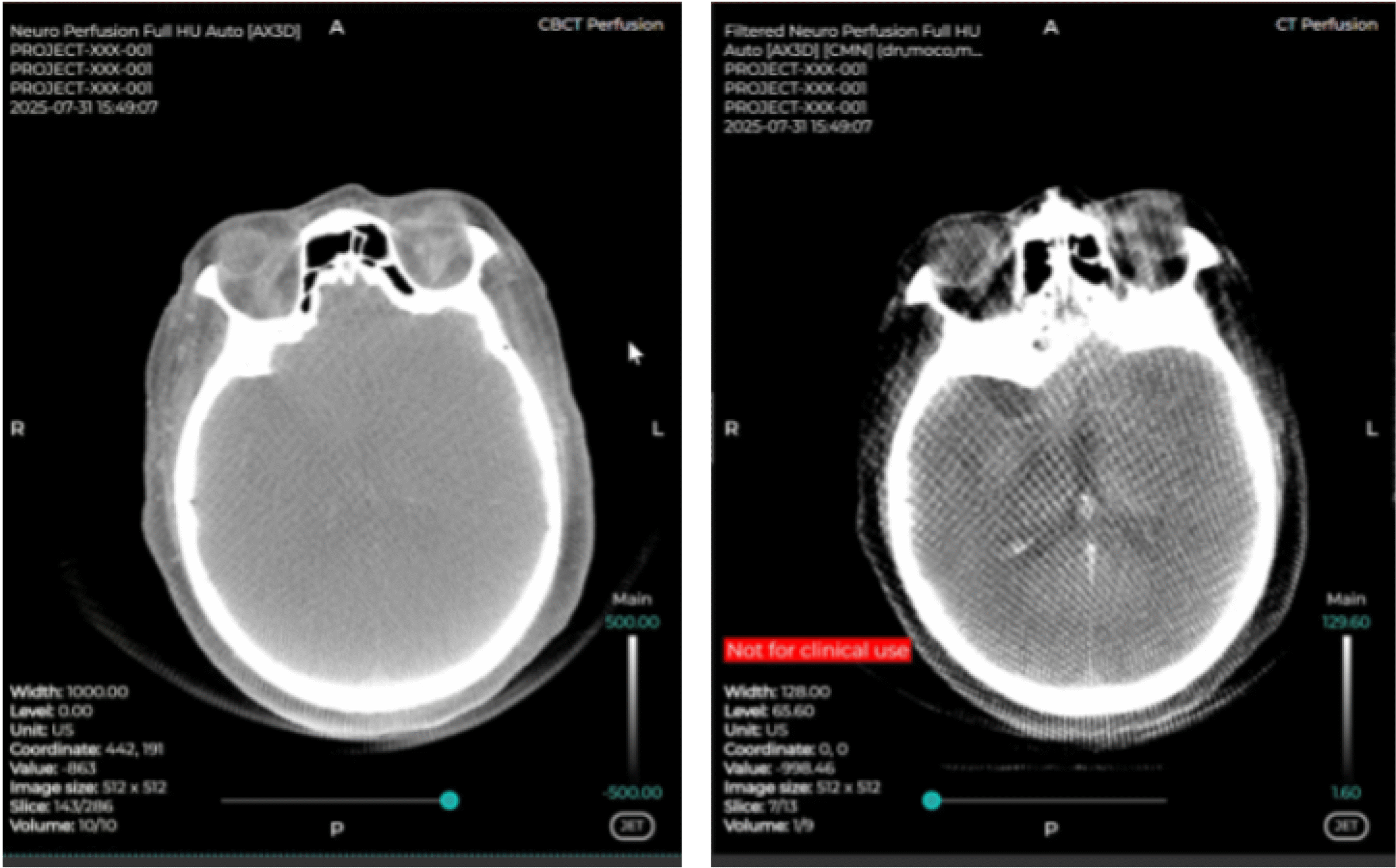
Side-by-side comparison: The left-hand side is the raw CBCT data, while the right-hand side panel is the pre-processed data.
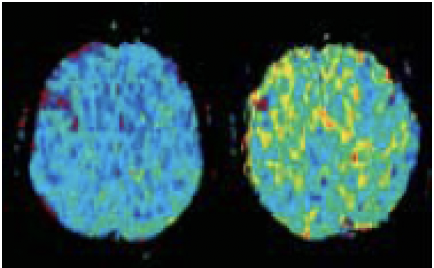
Using CMN software in the angio suite delivers results comparable to conventional CT/MR perfusion.

Contact us:

A Cercare Medical Representative will reach out to you directly to assist with your inquiry.

Sign up for the upcoming Perfusion & Metabolic Imaging Community (PMIC)

Imaging

MTT

SVD model

MTT

Vascular Model

T2 FLAIR

follow-up image
Perfusion maps of a stroke patient show a large difference in lesion appearance compared to the SVD technique, where the VM appears in better correspondence with the T2 FLAIR follow-up.

MTT

SVD model

MTT

Vascular Model

T2 FLAIR

follow-up image
The modest degree of tissue involvement is consistent with the
moderate neurologic deficits, National Institutes of Health Stroke
Scale (NIHSS) = 4.

Thank you for uploading your DICOM files.

Your submission has been received successfully.

Next steps:

  • Our team will analyze the uploaded data.
  • A Cercare Medical representative will reach out to you once the analysis is complete.
  • Rest assured that all files will be deleted immediately after use, in line with our data protection policies.

Request a Demo

Let us give you a tour around our solution.

Fill in your credentials, and a member of the Cercare Medical team will contact you with a date and time proposal that fits your schedule.

Explore CMN!

Fast. Reliable. Personalized.

Discover how Cercare Medical Neurosuite (CMN) enhances post-processing images and provides actionable insights from advanced biomarkers - tailored to your workflow.

Fill-out the form below, and a representative will contact you.
})